
 Lighting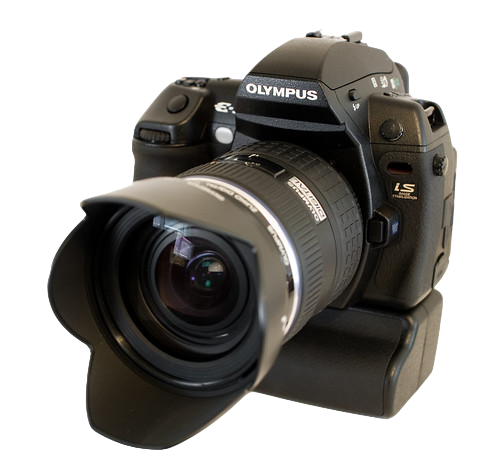
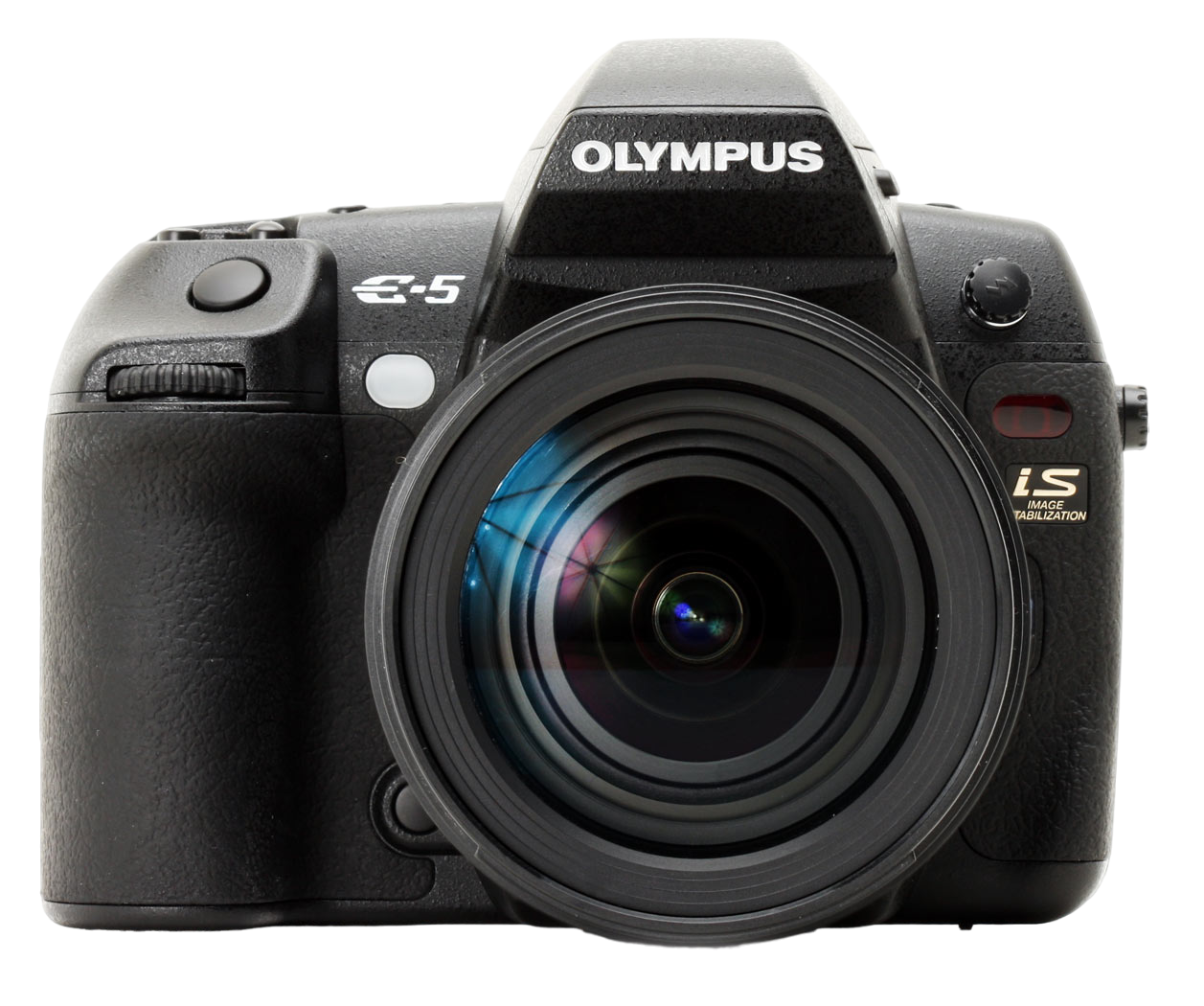
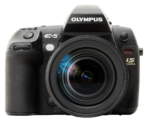
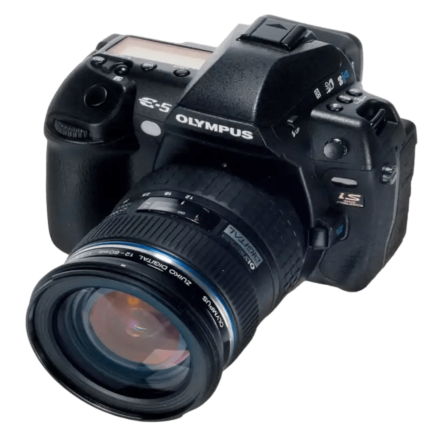
The E-3, the long-awaited successor to the E-1, has finally arrived. To say that it carries a heavy weight of expectation on its broad shoulders is putting it lightly; this is the camera that will decide for once and for all whether Olympus has what it takes to crack the Nikon/Canon stronghold, or is to remain forever a niche player in the professional market.
Compared to E-1 – key differences
It almost seems pointless to talk about how the E-3 compares to its predecessor; the time gap between them is so great that they have very little in common; the E-3 is a totally new camera that has obviously been designed to go head-to-head with the likes of Nikon’s D300 and Canon’s 40D at the very top of the market, at the point where the distinctions between ‘high end enthusiast’, ‘semi professional’ and ‘professional’ get very blurred. Before we return the E-1 to the museum of digital antiquities for good let’s have a (brief) look at what’s changed – and what hasn’t – in the in intervening years.
- New sensor (10MP Live MOS vs 5MP CCD) and latest TruPic III processor
- Live view
- Sensor-shift image stabilization
- All-new autofocus system (11-point AF, claimed to be world’s fastest with certain zoom lenses)
- Faster continuous shooting, bigger buffer
- Higher top shutter speed (1/8000 sec) and higher flash sync speed (1/250 sec)
- Improved viewfinder (bigger, brighter)
- Bigger, higher resolution vari angle screen
- Masses more customization options
Key feature comparison (vs E-1 and E-510)
Looking at the spec comparison between the E-1 and the E-3 i decided it would be sensible to also throw the E-3’s ‘baby brother’, the E-510, into the mix. There will surely be current E-510 owners (or owners of the E-510’s predecessors) considering a move up to the E-3, so what can they expect to get? To be honest the main differences are physical; the E-3 is a considerably heavier, larger and more solid camera with weatherproof sealing and an articulated screen, with a better viewfinder and the option to add a vertical grip for considerably improved handling in portrait operation.




Reviews
There are no reviews yet.